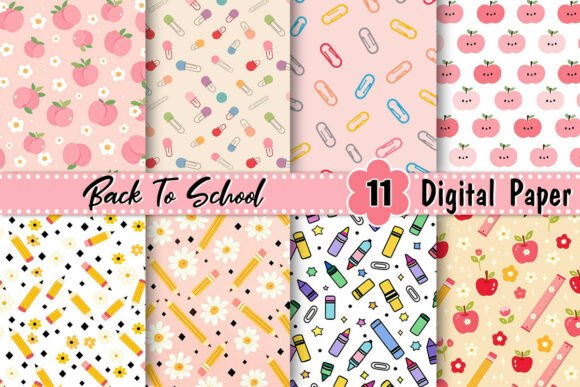
Transforming Your Classroom: The Ultimate Guide to Back-to-School Digital Paper
The beginning of a new academic year is a time of excitement, renewal, and fresh ideas for educators everywhere. However, it also brings a surge of administrative tasks, from creating lesson plans to designing engaging classroom materials. In the modern educational landscape, teachers are increasingly turning to digital resources to streamline their workflow and add a splash of creativity to their instruction. One such resource that has gained immense popularity is Classroom Back to School Digital Paper. Specifically, high-quality non-seamless JPG images at 300 DPI resolution offer a versatile solution for everything from printable worksheets to virtual bulletin boards.
This article explores the significance of these digital assets, how they fit into modern teaching strategies, and why understanding their technical specifications—like resolution and file type—is crucial for creating professional-grade educational materials.
What Are Digital Papers in an Educational Context?
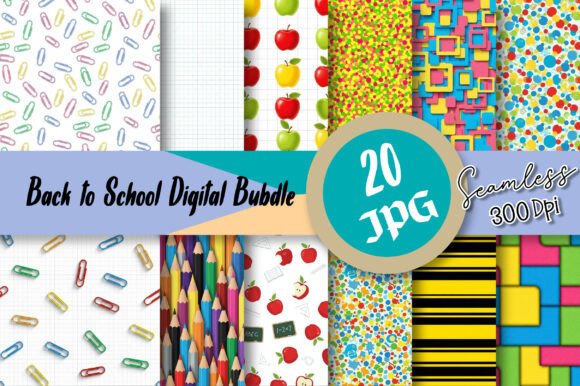
Digital papers are essentially digital versions of traditional patterned or textured paper. While physical scrapbook paper has been a staple for crafters and teachers for decades, digital papers allow educators to access thousands of designs instantly without the need for shipping or storage. When we talk about Classroom Back to School Digital Paper, we are referring to a curated collection of background images designed specifically to evoke the themes of autumn, learning, and organization.
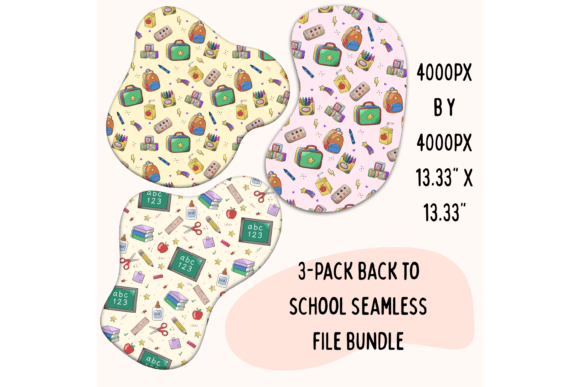
These images typically feature motifs like chalkboards, lined notebooks, geometric shapes, school supplies, and warm fall colors. They serve as the foundational layer for various projects. Instead of printing a plain white sheet and pasting a photo on top, teachers can use a digital paper with a subtle notebook texture as the background for a math worksheet. This adds depth and visual interest, making the material more inviting for students.
The Importance of Resolution: Why 300 DPI Matters
One of the most critical aspects of selecting digital resources is understanding resolution. You may have noticed the specification "300 DPI" (Dots Per Inch) attached to many premium digital products. But what does this mean for your classroom projects?
DPI refers to the density of pixels in a printed image. A resolution of 72 DPI is standard for web viewing, but it often results in blurry, pixelated prints when scaled up. In contrast, 300 DPI is the industry standard for high-quality printing. When you download a digital paper at this resolution, you ensure that:
- Print Quality: Whether you are printing a single-page flyer or a large classroom poster, the lines remain crisp and the colors stay vibrant.
- Scalability: You can resize the image to fit different paper sizes (Letter, A4, Tabloid) without losing clarity.
- Professionalism: Materials created with high-resolution backgrounds look polished and intentional, reflecting well on the teacher's attention to detail.
For any teacher planning to create physical handouts, certificates, or labels, ensuring the source files are 300 DPI is non-negotiable for a professional finish.
Understanding Non-Seamless Patterns
When browsing collections of digital images, you will often encounter terms like "seamless" and "non-seamless." It is important to understand the difference to choose the right asset for your specific project.
Seamless patterns are designed to tile infinitely. If you stretch them across a wide banner or repeat them to fill a large page, the edges match perfectly, creating one continuous image. These are excellent for website backgrounds or wrapping large areas.
Non-seamless digital papers, however, are distinct, standalone images. They do not rely on repeating tiles. Instead, each image is a complete composition. For example, a non-seamless digital paper might feature a central chalkboard design with a border of apples, or a gradient background that shifts from blue to yellow. These images are perfect for:
- Single-Page Documents: Cover pages for student portfolios or monthly calendars.
- Focus Areas: Highlighting a specific section of a worksheet where you want the eye to rest.
- Variety: Creating a unique look for every page of a booklet without the repetitive feel of a tiled pattern.
In the context of a Classroom Back To School Digital Paper set, non-seamless images provide variety. You aren't stuck with the same repeating motif; instead, you have a collection of distinct scenes that can be mixed and matched to keep student engagement high.
Practical Applications in the Modern Classroom
The versatility of digital JPG images makes them indispensable tools for both in-person and remote learning environments. Here is how educators are integrating these assets into their daily routines.
1. Designing Engaging Worksheets and Handouts
Gone are the days of boring, stark white worksheets. By using a digital paper with a subtle lined-paper texture or a fun geometric pattern as a background, teachers can transform a standard math problem set into an interactive activity. This technique, known as layering, allows text boxes and images to float above the pattern, creating a dynamic layout that feels like a custom magazine page.
2. Virtual Bulletin Boards and LMS Decor
With the rise of Learning Management Systems (LMS) like Google Classroom, Canvas, and Schoology, the concept of a "bulletin board" has gone digital. Teachers can use high-resolution digital papers to create headers for course modules, welcome banners, and announcement posts. Because the images are 300 DPI, they render beautifully on high-definition screens, ensuring that the visual appeal translates from the physical room to the digital space.
3. Creating Printables and Labels
Organization is key to a smooth school year. Teachers often create their own labels for supply bins, name tags for desks, and flashcards. Using a cohesive set of back-to-school digital papers ensures that all these materials share a unified aesthetic. Whether it is a "Library" label or a "Math Center" sign, the consistent theme helps students navigate the classroom environment intuitively.
Bridging Creativity and Technology
The adoption of digital papers represents a broader shift in education towards technology integration. It empowers teachers to act as designers, utilizing tools like Canva, Adobe Express, or Microsoft PowerPoint to create bespoke resources. Unlike pre-made commercial workbooks, digital papers give educators the freedom to customize content to meet the specific needs of their curriculum.
Furthermore, the use of JPG format offers universal compatibility. JPEGs are supported by virtually every software program, operating system, and device. This means a teacher can create a resource on a Mac, save it as a JPG, and open it on a Windows PC or an iPad without any conversion issues. This ease of use removes technical barriers, allowing educators to focus on pedagogy rather than file management.
Common Misconceptions About Digital Resources
Despite their growing popularity, there are still some misconceptions regarding digital papers that prevent teachers from utilizing them effectively.
Misconception 1: "Digital means I don't need to print anything."
While digital papers are great for screen-based activities, their primary strength often lies in hybrid workflows. Many teachers use them to create digital templates that are then printed for hands-on activities. The high resolution ensures that the transition from screen to paper is seamless.
Misconception 2: "I need expensive software to use these images."
You do not need Photoshop or Illustrator to utilize 300 DPI JPGs. Free tools like Canva, Google Slides, or even basic paint programs can import and manipulate these images. The only requirement is a computer with a decent graphics processor to handle the file size comfortably.
Misconception 3: "Patterns distract students."
When used correctly, patterns enhance focus rather than distract. The key is balance. Using a low-contrast, non-seamless background for reading passages keeps the eye moving naturally down the page, while high-contrast patterns should be reserved for decorative elements like borders or headers.
Maximizing Value with High-Quality Collections
When investing in a set of Classroom Back to School Digital Paper 11 JPG Digital Images, quality is paramount. A collection of 11 distinct images offers a surprising amount of flexibility. Imagine having a palette of 11 different moods—from energetic and bright to calm and structured—that you can rotate throughout the semester. This variety prevents visual fatigue for both teachers and students.
By choosing non-seamless images at 300 DPI, you are securing assets that are ready for immediate use in high-stakes printing scenarios. Whether you are producing a district-wide newsletter, a personalized report card cover, or a set of interactive task cards, these images provide the professional polish that elevates the entire educational experience.
Conclusion: Empowering Educators Through Design
In conclusion, the integration of digital paper into the classroom is more than just a trend; it is a practical strategy for enhancing communication, organization, and student engagement. Understanding the nuances of file formats, resolutions, and pattern types allows teachers to make informed decisions that save time and improve the quality of their materials.
From the crisp lines of a 300 DPI print to the vibrant aesthetics of a non-seamless background, every element contributes to a cohesive and welcoming learning environment. As educators continue to embrace digital tools, resources like the Classroom Back to School Digital Paper stand out as essential components of a modern teacher's toolkit. By leveraging these assets, teachers can spend less time worrying about formatting and more time focusing on what truly matters: inspiring the next generation of learners.
Whether you are a veteran educator looking to refresh your classroom decor or a new teacher eager to start strong, exploring the world of digital design opens up endless possibilities. Embrace the convenience, enjoy the creativity, and watch your classroom transform into a hub of inspiration.