Cute Teacher Back to School Apple Star: A Smart Guide for High-Quality Designs
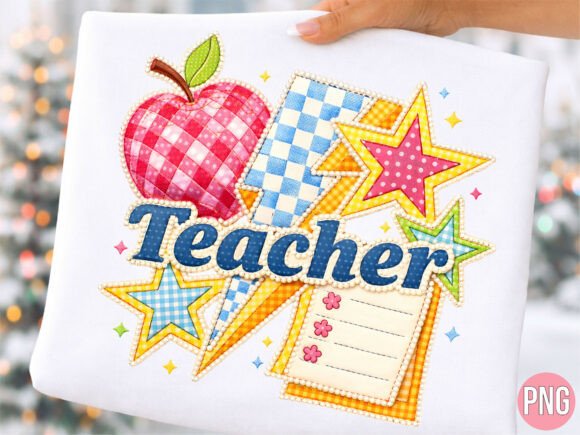
The start of a new academic year brings a rush of excitement, fresh supplies, and the need for creative flair. For educators, crafters, and small business owners, the Cute Teacher Back to School Apple Star design file offers a charming solution to elevate any project. This digital asset combines playful imagery with professional-grade quality, making it an ideal choice for those looking to create personalized gifts or unique merchandise without hiring a graphic designer.
However, while the concept sounds simple, the execution often trips up even experienced creators. Many users rush into downloading digital files without understanding the technical nuances that separate a crisp, professional result from a blurry, disappointing mess. Before you commit to this purchase, it is essential to understand exactly what you are getting and how to avoid common pitfalls that can ruin your workflow or final product.
Understanding What You Are Actually Buying
When you acquire the Cute Teacher Back to School Apple Star, you are not purchasing a physical object or a vector file. Instead, you are receiving a single ZIP archive containing high-resolution PNG images. It is crucial to distinguish between raster formats like PNG and vector formats like SVG or EPS. While vectors are scalable to infinite sizes, PNGs are pixel-based. This specific design file boasts a resolution of 300 DPI, which is the gold standard for high-quality print projects. This ensures that when you place the image on a tumbler or a sticker, the edges remain sharp and the colors stay vibrant.
The inclusion of a transparent background is perhaps the most valuable feature of this file. Without transparency, you would be stuck with a white box surrounding your apple and star, forcing you to manually remove the background in editing software. By providing a ready-to-use transparent PNG, the creator saves you hours of tedious work. This allows for immediate placement on any color shirt, mug, or card, blending seamlessly into your design layout.
Pitfalls in File Management and Software Compatibility
One of the most frequent mistakes beginners make involves the handling of the downloaded file itself. The product comes as a ZIP file. If you attempt to use the file directly from the download folder without extracting it, many design programs will fail to recognize the image or display it incorrectly. Always ensure you unzip the archive immediately after downloading to access the actual PNG assets. Failing to do so can lead to frustration and unnecessary delays right before a deadline.
Another critical area where errors occur is software compatibility. Not all design tools handle PNG transparency equally well. Some older versions of basic photo editors may struggle with alpha channels, resulting in a jagged white halo around your apple and star instead of a clean cutout. Before making your purchase, verify that your preferred design software—whether it is Adobe Photoshop, Canva, Cricut Design Space, or GIMP—fully supports PNG format with transparency. Ignoring this step can result in a file that looks perfect on your screen but prints poorly or appears unprofessional on your final product.
Mistakes That Ruin Print Quality
Even with a high-quality 300 DPI file, the final output depends entirely on how you utilize the image. A common misconception is that a high-resolution digital file guarantees a high-resolution print regardless of the size. If you stretch a PNG beyond its intended dimensions, the pixels will become visible, resulting in a blocky, low-quality image. This is particularly damaging for large-scale items like pillows or wall art. To maintain the integrity of the Cute Teacher Back to School Apple Star, always scale your design proportionally within your printing software.
Color management is another overlooked detail. Digital screens (RGB) and printers (CMYK) interpret colors differently. An apple that looks vividly red on your monitor might appear slightly dull or muddy when printed on a ceramic mug or fabric. While you cannot change the source file's RGB values, you should always request a physical proof or check the color profile settings in your printing service before ordering bulk items. Skipping this verification can lead to a batch of products that do not match your vision, costing you money and reputation.
Selecting the Right Application for Your Project
The versatility of this design file is its greatest strength, but also a source of confusion. Users often try to apply the same image to vastly different materials without considering the medium. For instance, a design optimized for a glossy sticker might look washed out on a matte pillowcase if the contrast isn't adjusted. Similarly, placing a detailed PNG on a very small item, like a keychain, can result in a loss of detail because the printer cannot resolve the fine lines at such a small scale.
To avoid these issues, evaluate the target surface before finalizing your design. If you are creating apparel, consider using a heat transfer vinyl (HTV) cutter that can trace the outline of the PNG, rather than just printing the image. For sublimation tumblers, ensure the file is oriented correctly for the wrap-around curve. Understanding the limitations of your chosen medium will save you from wasted materials and unsatisfied customers.
Maximizing Value for Creators and Entrepreneurs
For entrepreneurs selling on platforms like Etsy or running print-on-demand businesses, the efficiency of the Cute Teacher Back to School Apple Star is a major asset. However, relying solely on the provided file without adding value is a strategy that rarely succeeds in a saturated market. The best approach is to treat this file as a foundational element. Combine it with complementary text, other seasonal elements, or custom typography to create a unique composition that stands out.
Remember that the license terms associated with digital downloads dictate how you can use the asset. Ensure you understand whether the file is for personal use only or if it allows for commercial resale. Using a file for commercial purposes without the proper license can lead to legal trouble and account bans on selling platforms. Always read the fine print to protect your business interests.
Final Checklist for Success
Before you begin your next project with this design, run through this quick mental checklist to ensure a smooth experience:
- Extract First: Always unzip the file to access the PNGs directly.
- Verify Software: Confirm your tool supports transparent PNGs without halos.
- Check Resolution: Ensure your canvas size matches the 300 DPI requirement for your print size.
- Test Colors: Preview how the RGB image translates to CMYK or your specific material.
- Review License: Double-check usage rights for personal vs. commercial applications.
By approaching the Cute Teacher Back to School Apple Star with these precautions in mind, you transform a simple download into a powerful tool for creativity. Whether you are crafting a heartfelt gift for a favorite educator or building a line of back-to-school merchandise, paying attention to these details ensures your final product is as delightful as the design itself. With the right preparation, this file becomes more than just an image; it becomes the cornerstone of a successful, high-quality project.